Blog · May 2026
What happens inside the engine when combustion is more efficient?
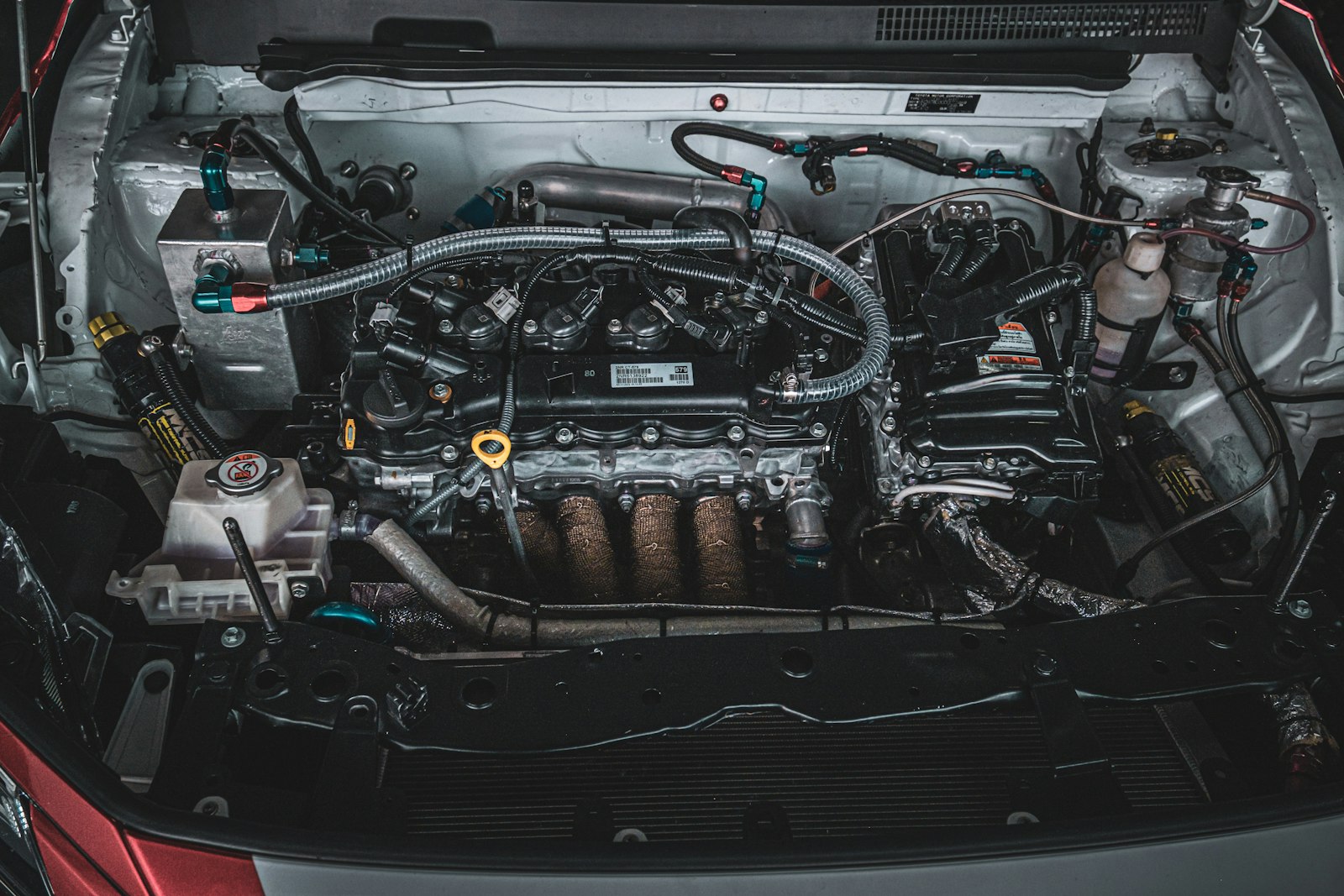
Combustion is one of the most important processes in any internal combustion engine. Energy efficiency, fuel consumption, and the level of pollutant emissions generated during operation all depend on its efficiency.
However, in many engines, combustion is not entirely efficient. Some of the fuel fails to burn properly, resulting in waste, unnecessary emissions, and energy loss.
When fuel does not mix properly with oxygen or does not vaporize adequately, the combustion process becomes less efficient, and the engine must consume more fuel to produce the same amount of energy.
Molecular optimization technologies aim to improve this behavior by directly influencing the fuel's physical and dynamic properties.
Using advanced processes based on nanotechnology, it is possible to promote:
- ✓Improved fuel atomization
- ✓Increased molecular kinetic activity
- ✓Greater stability during combustion
- ✓Reduction of unburned particles
- ✓Improved flame propagation within the combustion chamber
As a result, fuel can be utilized more efficiently, leading to cleaner and more complete combustion.
This yields significant benefits both operationally and environmentally:
- ✓Lower energy consumption
- ✓Reduction of pollutant emissions
- ✓Reduction in carbonaceous waste
- ✓Improved engine response
- ✓Less wear and tear on internal components
In industries where energy consumption is a major cost factor, improving combustion efficiency can have a significant impact on profitability and sustainability.
Energy innovation will continue to play a key role in the evolution of modern transportation and industry. Technologies designed to maximize fuel efficiency will be essential to addressing the energy and environmental challenges of the coming decades.